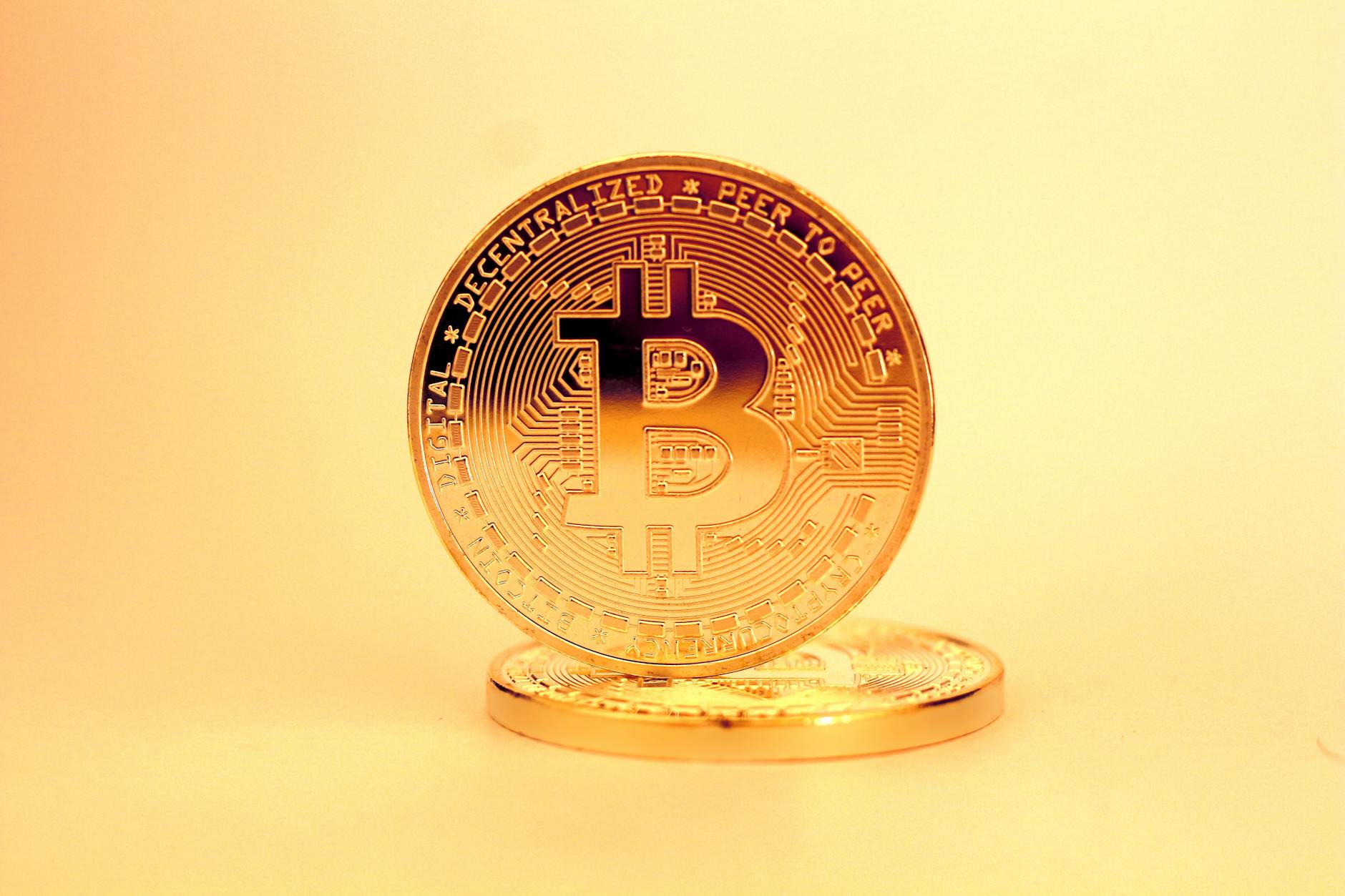
Connecting Your Crypto Wallet: First Steps to DeFi Gaming Fun
Embarking on your DeFi gaming journey begins with a crucial first step: connecting your crypto wallet. This isn't just about linking an account; it's about establishing the secure bridge between your digital assets and the decentralized world of gaming. Most DeFi games support widely used wallets like MetaMask, which acts as a browser extension, or mobile-first options such as Trust Wallet. Before you even think about playing, ensure your chosen wallet is properly installed and funded with the necessary cryptocurrency for gas fees and in-game transactions. This initial setup is paramount, as a secure and functional wallet is the bedrock of all your future DeFi gaming adventures. Don't rush this stage; a little preparation here saves a lot of hassle later!
Once your wallet is installed and funded, the connection process itself is usually straightforward. Navigate to your desired DeFi game's website, and you'll typically find a prominent 'Connect Wallet' button. Clicking this will prompt your wallet to request permission to connect to the dApp. Always carefully review the permissions requested before approving. You'll want to ensure it's only asking for necessary access, such as viewing your account address, not unlimited spending. After approval, your wallet address will appear on the game's interface, signifying a successful connection. This seamless integration allows for direct interaction with smart contracts, enabling you to buy NFTs, participate in staking, and earn rewards directly within the game's ecosystem. Congratulations, you're now one step closer to diving into the exciting world of play-to-earn!
Decentralized betting offers a revolutionary approach to wagering, removing the need for traditional intermediaries and operating on blockchain technology. This allows for increased transparency, reduced fees, and enhanced security for users. You can learn more about decentralized betting through various online resources, which highlight its potential to disrupt the traditional gambling industry.
Beyond the Basics: Troubleshooting, Security, and Advanced MetaMask Strategies
Delving beyond the fundamental use of MetaMask unlocks a realm of advanced strategies crucial for navigating the evolving Web3 landscape. Troubleshooting common issues, such as failed transactions or connectivity problems, often involves clearing your browser cache, checking network status (e.g., Etherscan for Ethereum), or re-importing your account using your seed phrase (with extreme caution). For enhanced security, consider using a hardware wallet like Ledger or Trezor in conjunction with MetaMask, which provides an additional layer of physical confirmation for transactions. Furthermore, understanding gas fees and their fluctuating nature is paramount; tools like Etherscan's Gas Tracker can help you optimize transaction costs and avoid unnecessary delays, thereby improving your overall dApp experience.
Advanced MetaMask users can leverage features like custom RPC networks to interact with various blockchain testnets or even private chains, opening doors for development and testing without risking real assets. Security, however, remains paramount. Always verify the legitimacy of websites you connect your MetaMask to, and be wary of phishing attempts or unsolicited token approvals. Consider implementing a multi-signature wallet setup for significant holdings, adding an extra layer of protection against unauthorized access. For those looking to optimize their workflow, exploring browser extensions that integrate seamlessly with MetaMask, such as those for tracking portfolio performance or managing multiple addresses, can significantly enhance your Web3 journey. Remember, continuous learning and adapting to new security practices are key to safely navigating the decentralized web.